Hunting Layering System: Base, Mid and Shell by Temperature
A hunting layering system by temperature: merino base layers, fleece and puffy mid layers, a waterproof shell, and the orange rules for late season.
Independently chosen. As an Amazon Associate I earn from qualifying purchases: if you buy through our links, we may earn a commission at no cost to you. How we research
Quick answer
Wear a merino base layer against the skin, a fleece or puffy mid layer you can remove, and a waterproof shell on the outside. Match the base weight to the temperature and the mid layer to whether you are walking or sitting, and put the orange on over the shell where your state requires it.
In this guide
3 picks- Active base layer, mild morningsFirst Lite Men's Kiln Long Sleeve CrewFrom the listing · not tested$120.00 Amazon price as of Nov 16, 2026, 2:25 PM UTC (details)
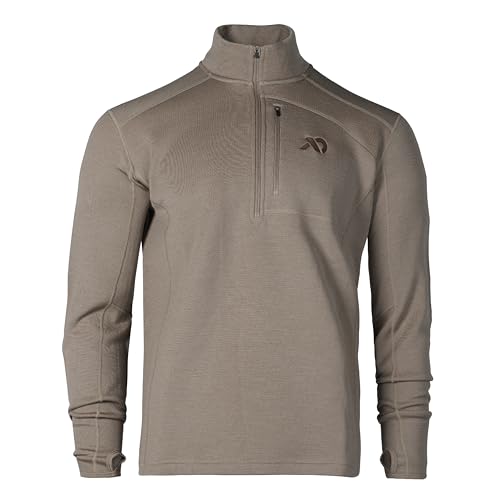
- A heavier base for late seasonFirst Lite Men's Furnace Quarter ZipFrom the listing · not tested$180.00 Amazon price as of Nov 16, 2026, 2:26 PM UTC (details)
- The moving mid layerFirst Lite Men's Navigator Hunting HoodyFrom the listing · not tested$200.00 Amazon price as of Nov 16, 2026, 2:27 PM UTC (details)



A late-season hunt is two different climates in one day. The walk in is work, with a pack, a rifle and a hill, and you sweat. The sit is still, often in wind, and the temperature you dressed for at the truck is not the temperature at the stand. A hunting layering system is how you handle both without carrying a second set of clothes.
How we chose: we did not test this gear; the picks come from makers' published fabric weights, fill weights and listings, checked through Amazon's Creators API on November 16, 2026. Every pick was sold by Amazon.com or the brand's own store and was in stock or scarce at that check.
What is a hunting layering system?
Three layers, each with a job. The base layer moves moisture away from the skin, the mid layer traps warmth, and the shell blocks wind and rain. The National Weather Service's cold-weather guidance says to dress in layers and cover exposed skin, and that is the whole idea: layers you can add or remove as the day changes.
The mistake is wearing all three on the walk in. You arrive at the stand damp, and a damp base layer is the one thing you cannot fix without taking your clothes off. Carry the mid layer and the shell, and put them on when you stop.
Which merino base layer should you wear hunting?
Merino is a common base layer for hunting because the makers publish the weight and the fiber, which makes it easy to compare. First Lite's Kiln crew is 250 g/m² Merino-X, a weight the listing describes as warm enough for cold mornings and light enough to move in. The Furnace quarter zip is the heavier cut at 350 g/m², with a brushed fleece back and a high collar for a late-season sit.
The weight is the number to compare, not the color or the camo pattern. A 250 g base plus a good mid layer covers most active days; a 350 g base is for the cold sit or the slow morning. Our merino vs synthetic base layers guide compares the two fabrics by weight and use.
For the legs, the Minus33 midweight bottoms are 235 g/m² merino and fit under uninsulated hunting pants. On a cold sit, a midweight bottom plus an insulated pant is warmer than a heavier bottom alone, because the pant traps the air the bottom warms.

What mid layer works for late season hunting?
Two mid layers cover the season. The Navigator hoody is the moving layer: First Lite says its 37.5 active fleece traps warmth when you are still and releases heat when you move, which suits spot-and-stalk and changing pace. The North Range Puffy is the sitting layer: PrimaLoft Gold in the body, arms and hood, which First Lite rates for 20 to 45°F, and 23 oz in the pack.
Carry the puffy rather than wearing it in. On a mild day the Navigator alone is enough; on a cold one, the puffy goes on at the stand, over the Navigator and under the shell. Our insulated jackets guide explains why a synthetic fill like PrimaLoft is the safer choice when the weather is wet.
What shell keeps a late season hunt dry?
A shell has to do two jobs in hunting that it does not do on a hike: stay quiet, and stay out of the way of a pack, a sling and a bino harness. The FTX Armor bib has a published 15,000 mm water hold-out and 10,000 MVTR, fully seam taped, with a full front zip and thigh-length leg zips for putting it on over boots.
The trade-off is real. A 15,000 water hold-out shell is waterproof enough for a wet sit, and the bib protects the seat and knees when you kneel or sit on wet ground. It will not be as quiet as a softshell, which is why the Navigator does the moving layer's job and the bib stays in the pack until the weather turns.
Put the orange on the outside. A vest over the shell is visible; a vest under it is not.
How do you layer by temperature?
Use the forecast low, not the afternoon high, and treat the table as a starting point. Every hunter runs hot or cold differently, and the walk in changes everything.
| Forecast low | Walk-in base | Mid layer | Shell |
|---|---|---|---|
| 45 to 60°F | Kiln 250 crew | None, or Navigator | Shell in the pack |
| 30 to 45°F | Kiln 250 crew | Navigator hoody | Shell in the pack |
| 15 to 30°F | Furnace 350 quarter zip | Navigator, plus North Range Puffy at the stand | FTX bib if wet |
| Below 15°F | Furnace 350 plus midweight bottoms | North Range Puffy over the Navigator | FTX bib, balaclava, warmers |
First Lite's 20 to 45°F figure is for the North Range Puffy on its own, so below 20°F it is one layer in a stack, not the whole answer. A 350 g merino base under it adds warmth the listing does not count.
What changes when you sit still?
Everything. Moving generates heat; sitting does not, and wind pulls heat off the outside of the shell. The CDC's winter weather page warns that hypothermia can set in above 40°F when rain or sweat chills you, which is exactly the early-season sit in a wet shell.
Three habits help. Change or wring out a damp base layer before you sit if you can. Put the puffy on before you feel cold, not after. And carry a hand warmer: our hand warmer guide covers the hours each type lasts. If you sit for hours in deep cold, a heated vest is another layer of warmth that does not add bulk.

The Wind River balaclava covers the face and ears without blocking your hearing, which matters on a stand. A warm hat and a neck gaiter do most of the work; our balaclava and neck gaiter guide covers the fits.
What are the blaze orange rules for late season?
Rules are set by each state and they differ, so check your own before the season.
- Texas: the Texas Parks and Wildlife Department requires at least 400 square inches of hunter orange material with orange headgear on public hunting lands during daylight when firearm hunting is allowed, with at least 144 square inches appearing on both chest and back.
- Washington: the Department of Fish and Wildlife requires at least 400 square inches of fluorescent hunter orange or hunter pink, worn above the waist and visible from all sides. The same page says a hat by itself does not meet the requirement.
Those two rules are enough to show why a cap is not a plan. Read your state's rule for the season and weapon, and put the orange over the shell.
How do you stay safe in the cold?
The NWS wind chill chart is the number to check before a sit. At 0°F with a 15 mph wind, the wind chill is -19°F and exposed skin can freeze in about 30 minutes. Cover the face and hands, and shorten the sit when the wind picks up.
Know the hypothermia signs on the CDC page: shivering, exhaustion, confusion, fumbling hands, slurred speech and drowsiness. A body temperature below 95°F is a medical emergency. Get the person out of the wind, into dry layers and into a warm vehicle, and call for help. This page is not medical advice.
Related: our hunting season weather gear checklist, mittens and gloves guide and rain pants guide.
Frequently Asked Questions
Is merino better than synthetic for a hunting base layer?
Merino is quieter and the makers publish its weight, which makes it easy to compare; synthetic dries faster and costs less. Our base layer guide compares them by use, not by preference.
How many layers do I need at 20°F?
Three: a 250 or 350 g merino base, the Navigator or the North Range Puffy as the mid layer, and a shell if it is windy or wet. Add the puffy at the stand rather than walking in it.
Should the orange vest go over or under the shell?
Over. A vest under a waterproof shell is hidden, and the point of the rule is to be seen by other hunters.
Do I need a heated vest for a late season sit?
No, but it is a way to add warmth without bulk. A 350 g base, a puffy and a windproof shell cover most sits; a heated vest helps when you cannot move for hours.
What base layer weight should I buy for late season?
A 350 g merino base for a cold sit, and a 250 g base for active days. If you buy one, buy the 250 g and carry the puffy; it handles more of the season.
WildProofLab is a participant in the Amazon Services LLC Associates Program, an affiliate advertising program designed to provide a means for sites to earn advertising fees by advertising and linking to Amazon.com. Fabric weights and temperature ranges are the makers' own; check your state's hunting regulations.
Proof
Sources
Everything this guide relies on, as linked in the text. Last checked November 16, 2026.
- National Weather Service: National Weather Service's cold-weather guidance
- Centers for Disease Control and Prevention: CDC's winter weather page
- tpwd.texas.gov: Blaze orange laws
- wdfw.wa.gov: Hunter orange
- National Weather Service: NWS wind chill chart
Shop on Amazon
Quick searches, tagged so you support the site at no extra cost.
As an Amazon Associate I earn from qualifying purchases.


