How to Layer for Cold-Weather Hiking: Base, Mid and Shell, Start to Summit
A base, mid and shell layering system for winter hikes: what each layer does, when to add and shed them, and how wind chill and sweat change the plan.
Independently chosen. As an Amazon Associate I earn from qualifying purchases: if you buy through our links, we may earn a commission at no cost to you. How we research
Quick answer
Start a cold hike slightly chilly in a base layer and a wind shell, add a warm jacket at every stop, and take it off before you sweat. A merino or synthetic base layer, a synthetic or down mid layer and a shell cover almost any dry winter day.
In this guide

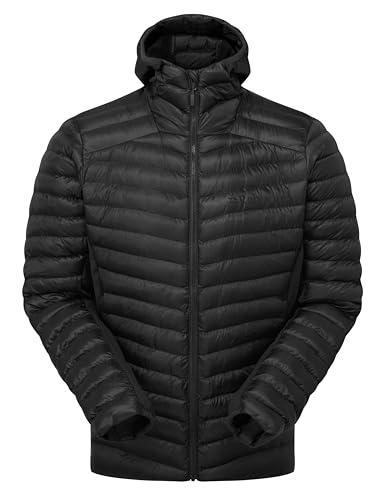


Cold-weather hiking is a heat problem in both directions. Climbing, you make more heat than you need and start to sweat. Stopped, you make almost none and the sweat turns cold. Layers let you add and shed insulation as that changes, which one thick jacket cannot.
How we chose: the example products come from our cold-weather guides, picked from listings and makers' specs, not tested.
The three layers and what each one does
REI's layering guide splits clothing into three jobs: a base layer that wicks sweat off your skin, a middle layer that holds body heat, and an outer layer that shields you from wind and rain. We add a fourth: a warm jacket kept in the pack for stops.
Base layer. Merino wool or polyester, fitted, next to the skin. Its job is moving sweat, not warmth. REI says to avoid cotton, which wicks poorly, dries slowly and insulates badly. Our merino vs synthetic base layer guide compares fabric weights; for hiking, 150 to 250 g/m² is plenty.
Mid layer. A fleece or a light synthetic jacket. This is what you wear on the move when the base layer alone is not enough, so it has to breathe. Synthetic insulation copes with sweat better than down.
Shell. A wind or rain jacket. On a dry, windy day, a light wind shell over a base layer is often all you need while moving. On a wet day it has to be a waterproof shell.
Stop jacket. A down or synthetic puffy big enough to pull over everything. Our down vs synthetic jacket guide explains fill power and fill weight.
Start cold, then adjust before you have to
The easiest mistake is starting warm. Dress at the trailhead so you are slightly cold standing still: base layer, shell, hat and liner gloves, with the mid layer in easy reach. Ten minutes up the first hill you will be glad of it.
Adjust early. Unzip before you sweat, not after. Pull the hat off on a long climb and put it back on at the top. Every layer change is quicker than drying a soaked base layer on a cold summit.
At every stop longer than a couple of minutes, put the warm jacket on straight away, before you feel cold. You keep the heat you made climbing instead of trying to make it back.

A sample kit by temperature
This is how we would dress for a moving day hike in dry weather. People run hot and cold, so treat it as a starting point and adjust after your first outing.
| Air temperature | Moving | Stopped |
|---|---|---|
| 30 to 40°F | Light base layer, wind shell, light gloves | Add fleece or light synthetic jacket, hat |
| 15 to 30°F | Midweight base layer, fleece or light synthetic, shell, liner gloves, hat | Add a warm puffy; swap to mitts |
| 0 to 15°F | Midweight base layer, synthetic mid layer, shell, liners under mitts, hat and neck gaiter | Big puffy over everything; hand warmers in mitts |
| Below 0°F | As above, with face cover and goggles in wind | Big puffy, insulated pants, and a short stop |
Add a layer for wind. The National Weather Service wind chill chart shows that 10°F air in a 30 mph wind feels like -12°F, and 0°F in a 15 mph wind feels like -19°F, where exposed skin can freeze in 30 minutes.
Hands, feet and head
Hands, feet and head are usually where you feel the cold first, so plan them like the rest of the system.
- Hands: liner gloves on the climb, with an insulated mitt over them for stops and ridges. Our mittens and gloves guide explains why mittens win in deep cold.
- Head and neck: a hat you can take off on climbs and a neck gaiter to pull over your face in wind.
- Extra heat: a pair of hand warmers in the pack for a long stop. See disposable vs rechargeable hand warmers.
Key point: carry a spare pair of liner gloves and a spare hat. Both get damp on a long climb, and swapping to dry ones at the top is the cheapest warmth you can carry.
Sweat is the enemy
Moisture is what turns a cold day into a dangerous one. Damp clothing loses its insulation, and wind drives heat out of it faster.
The CDC's hypothermia guidance recommends several layers of loose-fitting clothing and a water-resistant outer coat, and says wet clothing should come off a person who is getting too cold. That is the layering system in one line: loose layers you can adjust, a shell on top, and nothing wet next to the skin.
If you have been sweating hard and are about to stop for long (lunch on a summit, a long wait for a partner), consider changing into a dry base layer top first. It takes two minutes and keeps you warmer than any extra jacket.

When the plan is not working
Watch for the signs. The CDC lists shivering, exhaustion, confusion, fumbling hands, memory loss, slurred speech and drowsiness as warning signs of hypothermia. Fumbling with a zipper or a buckle is an easy one to spot in a partner.
For frostbite, the CDC's frostbite page lists numbness and a white or grayish-yellow, firm or waxy skin area. It says to get the person into a warm place and warm the area with warm, not hot, water, and not to rub it.
The fix on the trail is the same for both: stop, get out of the wind, put on every dry layer you have, eat and drink something warm, and head down. A body temperature below 95°F is a medical emergency, per the CDC. This page is not medical advice; if in doubt, call for help.
Related: sleeping bag temperature ratings and sleeping pad R-values for when the hike turns into a night out.
Frequently Asked Questions
Should I wear a waterproof shell on a dry winter day?
Only if it is the only shell you have. On a dry, windy day a wind shell blocks the wind and breathes better; carry the waterproof one if snow or rain is forecast, and remember the forecast wind decides how much you need it.
Is fleece or a synthetic jacket better as a mid layer?
Fleece breathes more and is cheaper to replace; a light synthetic jacket blocks more wind and packs smaller. Many hikers carry a thin fleece for moving and a synthetic or down puffy for stops.
Do I need insulated pants for winter hiking?
Rarely for moving. Base layer bottoms under softshell or hiking pants cover most day hikes; insulated pants are for long stops, winter camping and temperatures well below 0°F.
Proof
Sources
Everything this guide relies on, as linked in the text. Last checked September 29, 2026.
- rei.com: Layering basics
- National Weather Service: National Weather Service wind chill chart
- Centers for Disease Control and Prevention: CDC's hypothermia guidance
- Centers for Disease Control and Prevention: CDC's frostbite page
WildProofLab is a participant in the Amazon Services LLC Associates Program, an affiliate advertising program designed to provide a means for sites to earn advertising fees by advertising and linking to Amazon.com.
Shop on Amazon
Quick searches, tagged so you support the site at no extra cost.
As an Amazon Associate I earn from qualifying purchases.


